Exploring Nutritional Science and Weight Management Principles

An independent educational resource dedicated to providing clear, evidence-based information about how nutrition, metabolism, and lifestyle factors influence health and wellness.

Educational content only. No promises of outcomes.

Understanding the Fundamentals

Nutritional science forms the foundation for understanding how our bodies process food and regulate energy. This section explores the core concepts that underpin modern nutritional understanding, breaking down complex physiological processes into accessible, evidence-based explanations.

The human body functions as an intricate biological system where nutrition plays a pivotal role. Every food we consume undergoes transformation, providing nutrients, energy, and regulatory substances. Understanding these processes requires familiarity with key concepts like metabolism, nutrient absorption, and energy balance.

Our exploration focuses on the scientific principles that explain how food affects our bodies, without making prescriptive claims about what individuals should eat. This approach emphasizes understanding rather than advice.

Key Concepts

Nutrition: The process by which organisms obtain and utilize food substances necessary for growth, energy, and tissue repair.
Metabolism: The sum of all chemical processes occurring within the body to maintain life, including energy production and nutrient utilization.
Energy Balance: The relationship between calories consumed through food and calories expended through physical activity and bodily functions.
Bioavailability: The extent to which nutrients from food can be absorbed and utilized by the body.

The Role of Macronutrients

All foods consist of macronutrients—carbohydrates, proteins, and fats—each serving distinct functions within the body. Understanding their roles provides insight into nutritional science without making prescriptive dietary recommendations.

Carbohydrates

Serve as the primary energy source for the body and brain. Found in grains, fruits, vegetables, and legumes, carbohydrates are broken down into glucose for cellular energy. They also provide fiber, which supports digestive health and nutrient absorption.
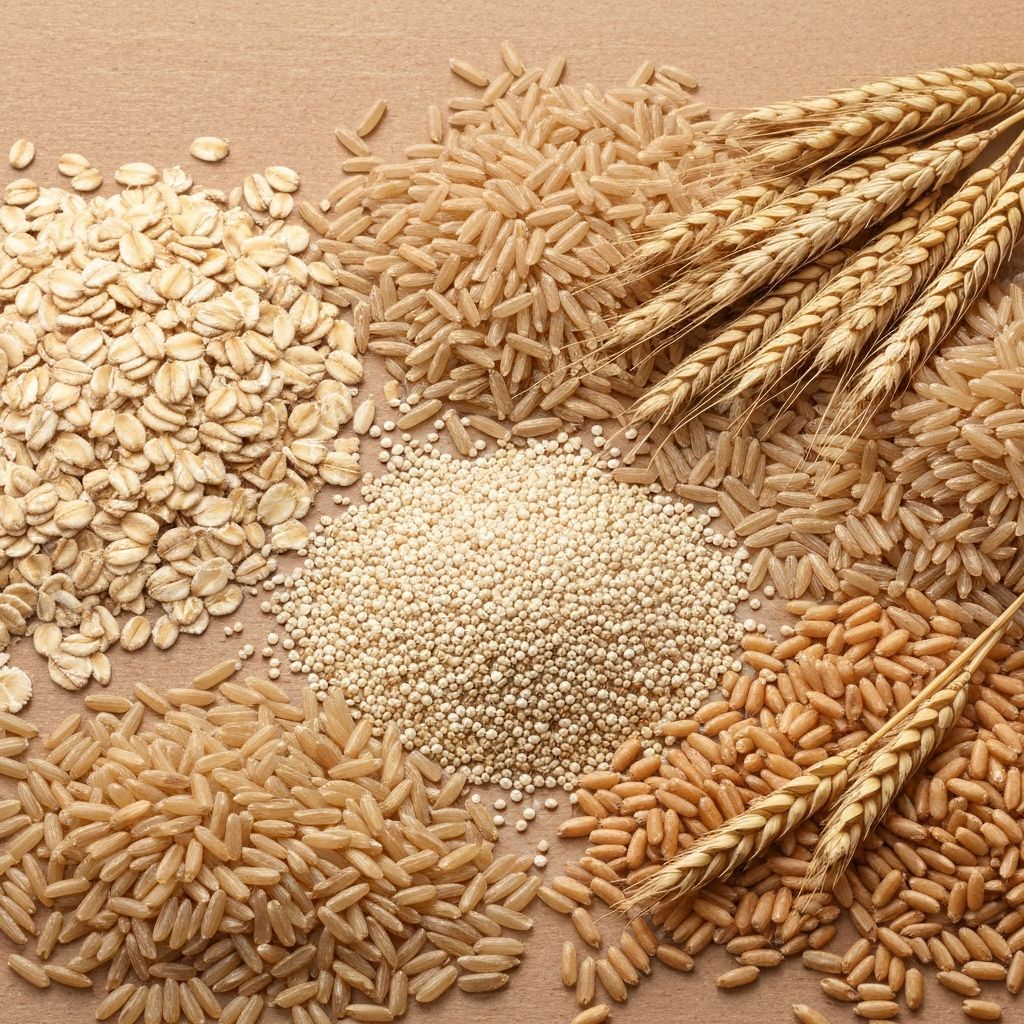
Whole grain carbohydrate sources

Proteins

Essential building blocks for muscles, enzymes, and hormones. Amino acids, the components of proteins, participate in nearly every biological process. Sources include legumes, nuts, eggs, and various plant and animal foods, each offering different amino acid profiles.

Protein-rich food sources

Fats

Critical for hormone production, cell membrane structure, and nutrient absorption. Dietary fats support the absorption of fat-soluble vitamins and provide sustained energy. Found in nuts, seeds, oils, and whole foods, different fat types serve different physiological roles.


Healthy fat sources

Exploring Energy Balance

Energy balance—the relationship between energy consumed and energy expended—represents a foundational concept in understanding body weight regulation. This principle stems from the law of thermodynamics applied to biological systems.

Energy consumption originates from food and beverages. The body expends energy through three primary mechanisms: basal metabolic rate (BMR), the thermic effect of food (TEF), and activity thermogenesis. Basal metabolic rate represents the energy required to maintain essential bodily functions at rest, such as respiration, circulation, and cellular function.

Multiple factors influence individual metabolic rates, including age, genetics, body composition, hormonal status, and environmental temperature. Understanding these influences provides context for recognizing why energy balance differs among individuals.

Energy balance concept visualization

40%

Thermic effect of food—energy expended digesting, absorbing, and processing nutrients

60%

Basal metabolic rate—energy for essential body functions

Variable

Activity thermogenesis—energy expended through physical movement

Common Nutritional Myths Debunked

Popular nutrition discourse often contains misconceptions that can lead to confusion. This section addresses common myths with evidence-based counter-arguments, emphasizing the complexity of nutritional science.

Myth: Carbohydrates Inherently Cause Weight Gain

This oversimplification ignores the role of total energy intake and individual physiological responses. Carbohydrates provide essential energy and nutrients. Weight regulation involves complex interactions between macronutrient composition, individual genetics, and overall energy balance.

Reality: Weight Regulation is Multifactorial

Body weight changes result from interactions among genetics, hormones, activity levels, sleep quality, stress, and many environmental factors—not from single nutrients or macronutrient types.

Myth: Eating Small, Frequent Meals "Boosts" Metabolism

Scientific research shows meal frequency has minimal impact on overall metabolic rate or weight regulation when total energy intake remains constant. Individual eating patterns should prioritize personal preference and satiety.

Reality: Meal Pattern Effectiveness Varies Individually

Some individuals find frequent small meals helpful for managing hunger; others prefer fewer, larger meals. The pattern that supports consistent energy intake and satisfaction varies among people.

Myth: Specific Foods "Burn" Calories or "Speed Up" Metabolism

While all foods require energy for digestion (thermic effect of food), no foods possess special metabolic acceleration properties. The thermic effect varies by macronutrient type but doesn't create significant caloric deficits.

Reality: All Foods Have Minor Thermic Effects

Proteins typically have a higher thermic effect than carbohydrates or fats, but this difference is modest and doesn't create substantial metabolic advantages in practical terms.

Lifestyle Factors & Wellness

Nutritional health extends beyond food composition to encompass broader lifestyle factors that influence overall well-being. Sleep quality, stress management, physical activity, and hydration interact with nutritional status to support health.

Sleep Quality

Adequate sleep supports metabolic function, appetite hormone regulation, and cognitive performance. Sleep deprivation affects hunger hormones and decision-making capacity.

Stress Management

Chronic stress influences cortisol levels and can affect eating patterns and food choices. Stress reduction supports overall physiological stability and nutritional well-being.

Physical Activity

Movement supports energy expenditure, muscle maintenance, cardiovascular health, and mental well-being. Activity patterns vary widely among individuals and can take many forms.

Hydration

Water participates in every biological process, from nutrient transport to temperature regulation. Individual hydration needs vary based on activity, climate, and individual physiology.

Understanding Food Labels

Food labels provide standardized nutritional information that helps consumers understand the composition of packaged foods. Learning to interpret these labels supports informed food choices.

Food nutrition label example

Key Label Components

  • Serving Size: The basis for all nutritional information on the label. Actual consumption may differ from stated serving size.
  • Calories: Total energy provided by one serving. Understanding serving sizes is essential for accurate calorie assessment.
  • Macronutrients: Carbohydrates, proteins, and fats listed in grams. Daily value percentages are based on a 2,000-calorie diet and may differ for individuals.
  • Micronutrients: Vitamins and minerals presented as percentages of daily values, supporting awareness of micronutrient intake.
  • Ingredients List: Components listed by weight in descending order, helping identify primary and secondary ingredients.
Important Context: Food labels provide objective nutritional information intended for general awareness. Individual nutritional needs vary based on age, activity level, health status, and other personal factors. Labels present information using standardized daily values that may not apply to specific individuals.

Frequently Asked Questions

Nutrition refers to the science of how food substances nourish the body and maintain health. Diet refers to the specific foods and beverages consumed by an individual. Nutrition is the scientific field; diet is the application of food choices.
Genetic variation, gut microbiota composition, age, activity level, hormonal status, medications, and numerous environmental factors create individual differences in how bodies respond to food. Nutritional science increasingly recognizes that responses aren't universal.
Nutrition research quality varies. Rigorous randomized controlled trials provide stronger evidence than observational studies, which can show associations but not causation. Systematic reviews synthesizing multiple studies provide more reliable conclusions than individual studies.
Weight regulation involves energy balance, genetics, hormones, activity level, sleep quality, stress, and numerous other factors. Diet is one component of a complex system, not an isolated determinant of body weight.
A balanced diet provides adequate macronutrients and micronutrients to support health and activity level. Balance varies among individuals based on their physiological needs, preferences, cultural context, and health status. No single balanced diet suits everyone identically.
Nutrition influences neurotransmitter synthesis, brain inflammation, and metabolic function—all relevant to mental health. Adequate nutrients support optimal brain function, though nutrition alone doesn't determine mental health outcomes.

Deepen Your Understanding

Explore our blog for detailed, evidence-based articles examining specific aspects of nutritional science and lifestyle factors.

Explore Further