The Glycemic Index: What It Is and Isn't
Understanding How Different Carbohydrates Affect Blood Glucose
Defining the Glycemic Index
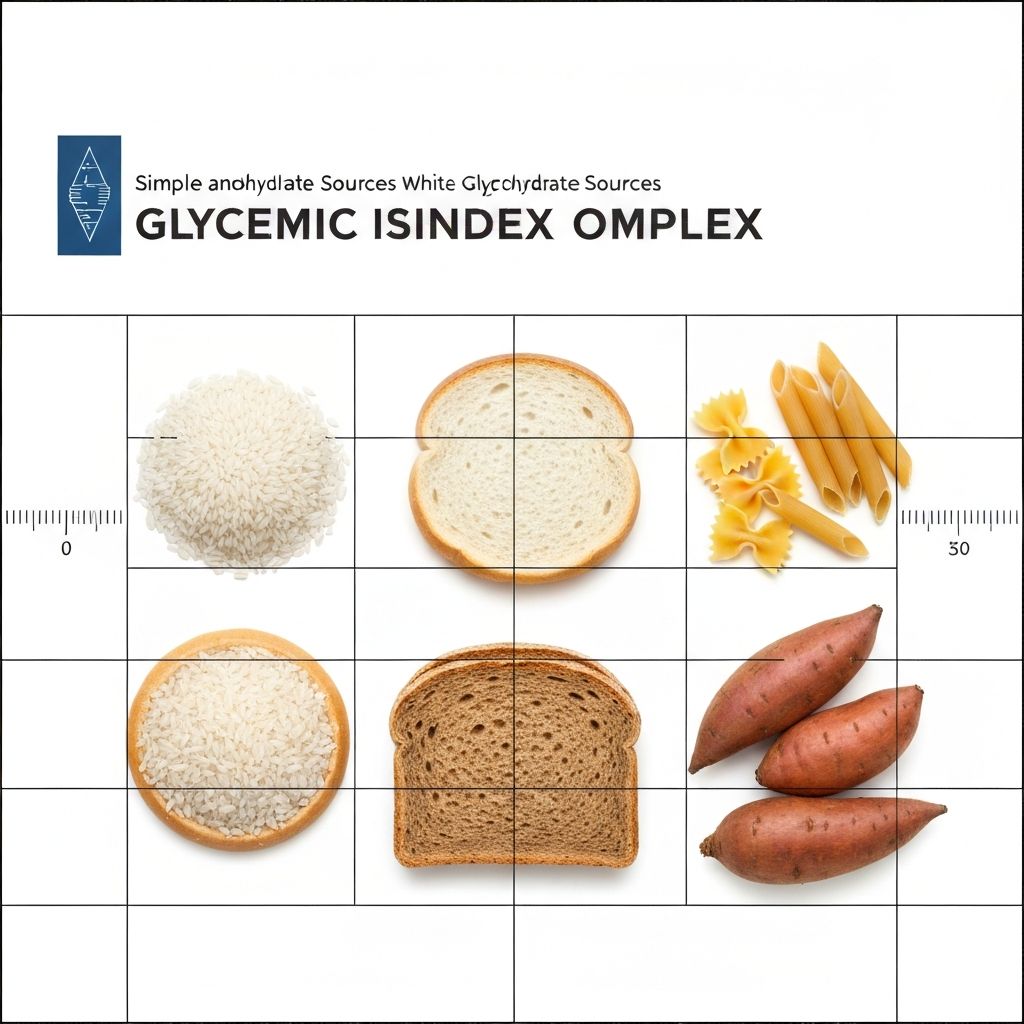
The Glycemic Index (GI) measures how rapidly carbohydrate-containing foods raise blood glucose levels compared to pure glucose. Foods are ranked on a scale from 0-100, with pure glucose assigned a value of 100. Low-GI foods (below 55) raise blood glucose slowly and steadily. Medium-GI foods (55-70) produce moderate glucose elevation. High-GI foods (above 70) produce rapid blood glucose spikes. This measure provides scientific insight into how different carbohydrate sources affect post-meal glucose response.
Understanding GI requires recognizing it as one factor among many influencing how foods affect the body. The index measures a specific physiological response to specific foods under standardized laboratory conditions, but real-world eating involves numerous additional variables not captured by GI values alone.
How Glycemic Index Is Determined
GI is determined through controlled studies where individuals consume standard portions of test foods containing 50 grams of carbohydrates. Researchers measure blood glucose response over two hours and compare it to the response to pure glucose or white bread as a reference. Individual variation in glucose response exists—the same food may produce different glucose responses among different individuals. Multiple factors including food preparation, ripeness, individual metabolic differences, and consumed food combinations influence actual glucose response.
Factors Affecting Glycemic Response
Multiple variables influence how individual foods affect blood glucose beyond their inherent GI value. Portion size matters substantially—larger portions of even low-GI foods can produce greater glucose elevation. Food combination effects matter significantly; consuming carbohydrates with protein, fat, or fiber reduces glucose spike magnitude. Food preparation affects GI—cooked foods often have higher GI values than raw versions of the same food. Fiber content substantially influences glucose response; foods rich in soluble fiber slow glucose absorption and produce lower glycemic responses.
Individual factors including insulin sensitivity, physical fitness, age, and even gut microbiota composition influence glucose response to identical foods. Time of day affects glucose response—the same food may produce different glucose elevations consumed at different times. Stress and sleep status influence glucose regulation. These variables explain why GI values, while providing useful general information, don't predict individual glucose responses with complete accuracy.
What Glycemic Index Is Not
GI does not measure food nutrition quality comprehensively. Some nutritious foods have moderate to high GI values; GI represents one dimension of food composition. GI doesn't account for other important nutrients including vitamins, minerals, phytonutrients, or fiber content. Some high-GI foods contain substantial nutritional benefits, while some low-GI foods may offer minimal nutrition. Using GI as the sole criterion for food selection ignores these important nutritional dimensions.
GI also doesn't predict weight regulation effects. Low-GI foods don't inherently promote weight loss, and high-GI foods don't inherently promote weight gain. Total energy intake, overall dietary patterns, and numerous other factors influence body weight changes. Focusing exclusively on GI values while ignoring overall food composition and dietary context provides incomplete nutritional understanding.
| Glycemic Index Category | Range | General Characteristics |
|---|---|---|
| Low | 0-55 | Slow glucose rise, sustained energy |
| Medium | 55-70 | Moderate glucose elevation, variable satiety |
| High | Above 70 | Rapid glucose rise, brief satiety |
Glycemic Load: A Complementary Measure
Glycemic Load (GL) provides information GI alone doesn't capture by accounting for portion size. GL multiplies a food's GI by its carbohydrate content per serving, dividing by 100. This measure recognizes that a small portion of high-GI food produces minimal glucose impact, while large portions of low-GI foods might produce substantial effects. GL offers more practical nutritional guidance than GI alone, particularly for foods with varying serving sizes.
Practical Application in Context
Understanding GI can support informed carbohydrate selection, recognizing that low-GI foods typically produce slower glucose elevation and may support steadier energy levels. However, GI should inform rather than dictate food choices. Total nutritional content, individual preferences, cultural context, and overall dietary patterns matter substantially. Some nutritious foods have higher GI values; avoiding them exclusively based on GI alone would eliminate valuable nutrients.
Individual glucose response to foods varies substantially. Some people tolerate high-GI foods well; others experience problematic glucose spikes. Understanding personal glucose response patterns, when relevant to individual circumstances, provides more useful information than relying on universal GI values. For most individuals, emphasizing whole foods rich in fiber and nutrients while being aware of GI as one factor among many supports balanced dietary approaches.
GI in Research and Practical Nutrition
Scientific research increasingly recognizes that glycemic response represents one aspect of carbohydrate nutrition, not the complete picture. Low-GI diets show modest associations with various health outcomes in some populations, but benefits often relate more to overall dietary patterns emphasizing whole foods than to GI values specifically. Individual variation in benefit from low-GI eating is substantial, reflecting the complexity of nutritional science.
Healthcare professionals may reference GI when supporting individuals with specific glucose regulation concerns, but comprehensive nutritional guidance considers total food composition, individual preferences, and overall dietary context rather than GI values alone. For most individuals without specific glucose metabolism concerns, regular consumption of whole foods containing fiber and nutrients—regardless of specific GI values—supports nutritional adequacy.